NHL and the 2026 Olympics: What the Return to Milan Means for Bettors
 Available in US

NHL Stars Back on Olympic Ice — First Time Since 2014
When I watched the last Olympic hockey tournament featuring NHL players — Sochi 2014, Canada versus Sweden in the gold medal game — I did not appreciate that it would be twelve years before we saw it again. The NHL skipped PyeongChang 2018 and Beijing 2022 over scheduling and insurance disputes, and the absence hollowed out the tournament. Olympic hockey without NHL players is like the World Cup without Premier League squads — technically still a competition, but missing the intensity that makes it worth betting on.
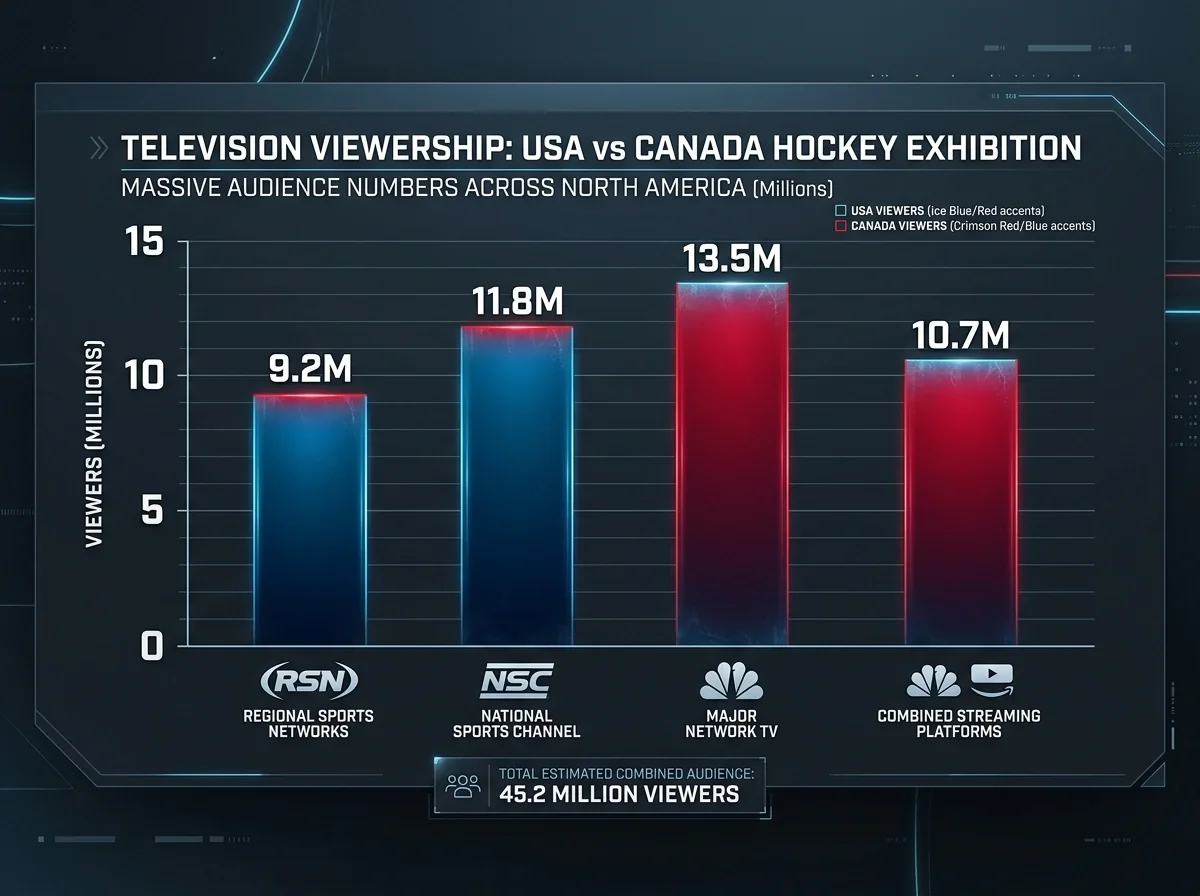
The return to the Olympics at Milan-Cortina 2026 changes the landscape for bettors. NHL players are back, the rosters are stacked, and the tournament carries the kind of global attention that drives deep liquidity into betting markets. The 4 Nations Face-Off in February 2025 offered a preview: the USA-Canada final drew 9.3 million viewers on ESPN, the largest hockey audience in the network’s history, with a peak of 10.4 million. If a four-team exhibition generated that kind of engagement, a full Olympic tournament with medal implications will dwarf it.
Gary Bettman addressed integrity concerns head-on, expressing confidence that hockey is not susceptible to match-fixing the way some other sports might be, arguing that the nature of the game makes cheating extremely difficult to execute or conceal. That confidence matters for bettors: a league that believes its competition is clean is a league where the data you analyse reflects genuine competitive outcomes rather than manipulated ones.
Tournament Format and Key Betting Markets
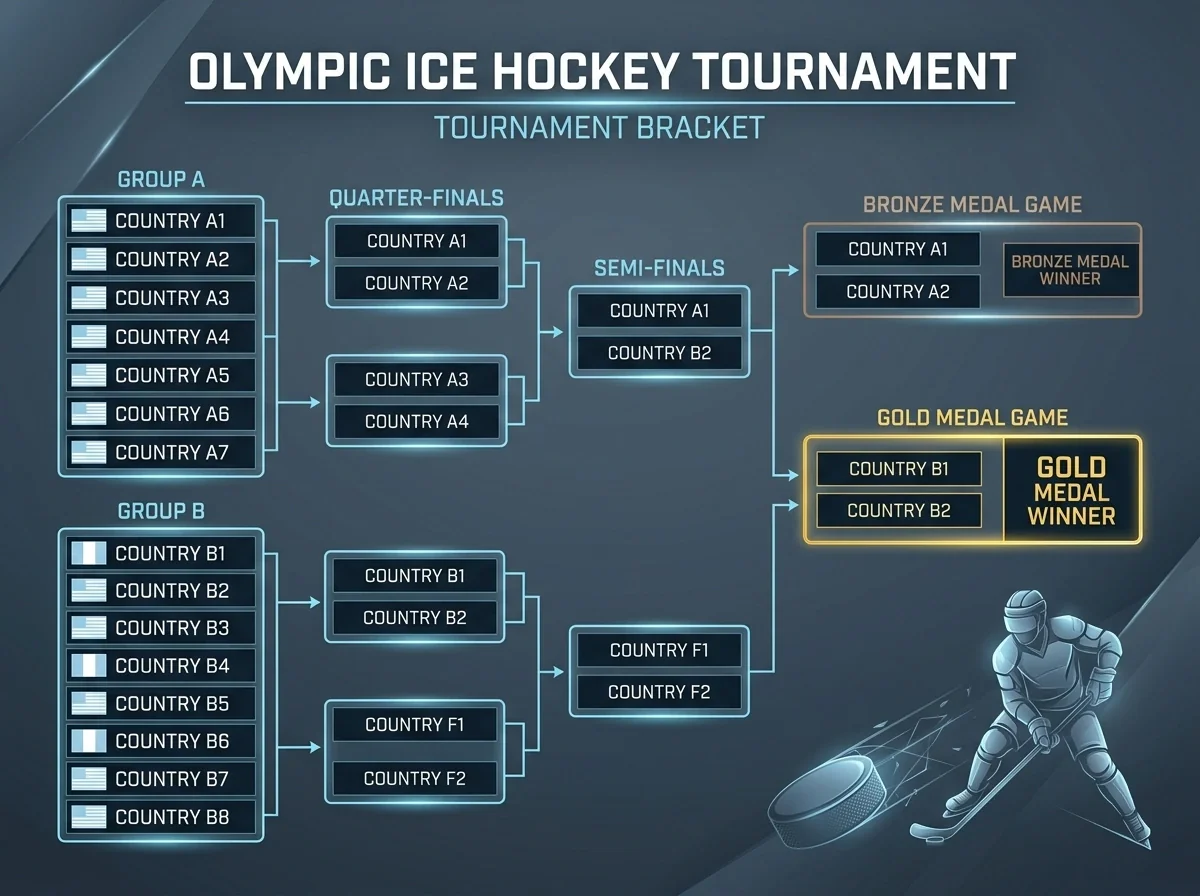
Olympic hockey follows an international tournament format: group stage, quarterfinals, semifinals, and medal games. The men’s tournament features twelve teams divided into three groups of four. The top teams from each group and the best second-place finisher advance to the quarterfinals, with the remaining second and third-place teams entering a qualification round.
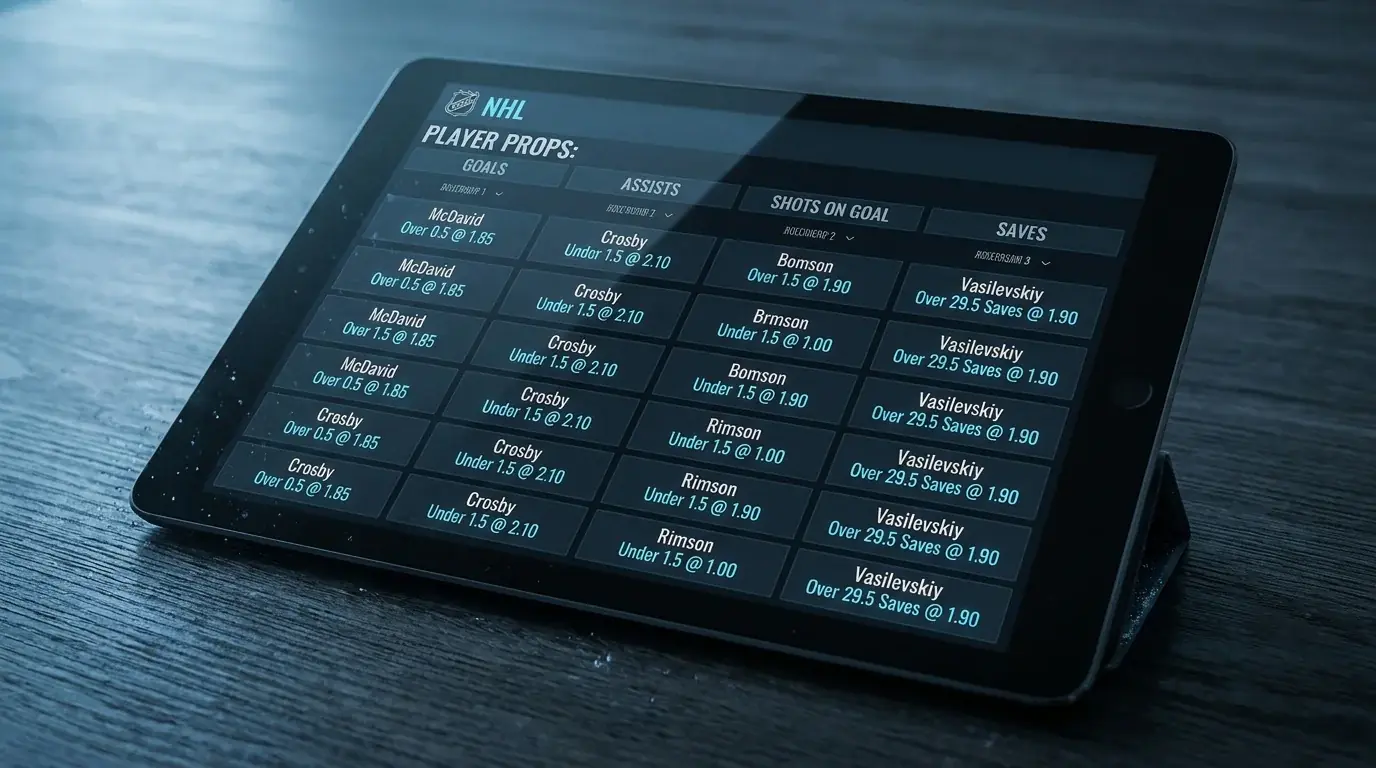
Betting markets for the Olympics are broader than most UK punters expect. Outright winner — which nation takes gold — is the headline market and will be available at every major UKGC-licensed bookmaker. Group winner markets, individual game moneylines, totals, and puck lines follow the standard NHL market template but applied to shorter, higher-stakes games. Prop markets on individual players — tournament top scorer, most saves, most assists — add another layer.
The pricing dynamic differs from regular NHL betting. International tournament games involve national teams whose rosters are assembled weeks before the event, and the quality gap between the top nations (Canada, USA, Finland, Sweden, Russia) and the lower seeds (Latvia, Norway, Denmark) is enormous. Group-stage games between a top seed and a bottom seed will carry moneylines as short as 1.10 or even lower — territory where the vig makes the favourite unbettable and the underdog represents a near-certain loss at long odds. The value concentrates in the knockout rounds, where evenly matched nations meet in elimination games and the market must price genuine 50/50 contests.
How the Olympic Break Reshapes the NHL Calendar and Lines
The Olympics do not just add a tournament to the calendar — they subtract two weeks from the NHL regular season. The league pauses for the duration of the Games, and that break has cascading effects on the schedule, roster management, and betting markets for the rest of the season.
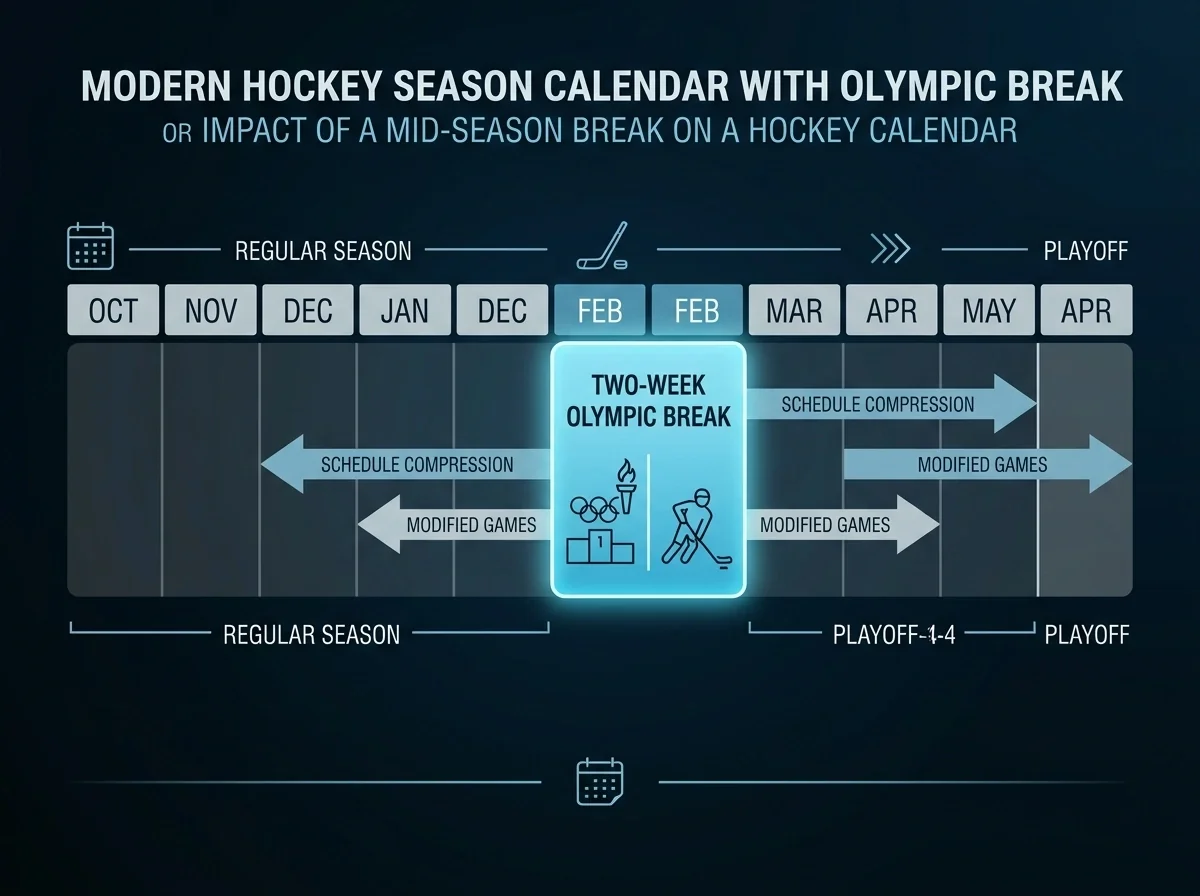
Teams whose top players participate in the Olympics face a different return dynamic than teams whose players stay home. Olympic participants log high-intensity minutes in a compressed timeframe, often playing six or seven games in two weeks with minimal recovery. They return to their NHL teams physically and emotionally drained — or, alternatively, riding a wave of confidence from a medal-winning run. The impact on post-Olympic NHL performance is measurable but inconsistent, and the market’s ability to price it varies.
The salary cap adds a wrinkle. With the ceiling at 95.5 million USD in 2025/26 and projections of 104 million for 2026/27, teams are managing rosters with an eye toward both the current season and the post-Olympic stretch. Some franchises will rest key players in the games immediately before the break, creating softer lines for opponents. Others will push for wins to build a playoff cushion before losing their stars to national duty.
For bettors, the pre-Olympic and post-Olympic windows are distinct phases with their own dynamics. Pre-Olympic games feature motivation asymmetry: some teams are resting stars, others are desperate for points. Post-Olympic games feature fatigue asymmetry: teams with multiple Olympic participants face a stretch of games where their best players are running on fumes while opponents who sent fewer players to the Games are fresh. Both asymmetries create mispricing opportunities for bettors who track which players went to Milan and how deep their national teams advanced.
Betting on Olympic Hockey in the UK
UK bettors have full access to Olympic hockey markets through UKGC-licensed bookmakers. The Olympics are one of the most heavily covered sporting events in the UK betting calendar, and ice hockey — as the marquee winter sport — receives deeper market coverage during the Games than it does during the regular NHL season. More than 80 UKGC-licensed operators will offer Olympic hockey markets, though the depth of coverage (props, period betting, live markets) will vary.

Time zones work in UK bettors’ favour for once. Milan is one hour ahead of GMT, meaning evening games at the tournament start around 8 PM or 9 PM UK time — genuine prime-time viewing. Afternoon games start around 1 PM UK time, perfectly watchable over lunch. This is a dramatic shift from the regular NHL season, where most games begin after midnight UK time. The Olympic schedule makes live betting on hockey practical for UK punters in a way that the regular season rarely does.
The analytical framework for Olympic betting differs from NHL betting in one critical respect: sample size. NHL teams play 82 games, generating mountains of data. National teams assemble briefly, play a handful of exhibition games, and then enter a tournament where every game matters. Historical data from previous Olympics helps — Canada and Finland have consistently strong programmes — but the specific roster composition changes every cycle, making projection more art than science. Bettors who follow European league hockey have an informational advantage, because many Olympic rosters include players from the SHL, Liiga, and KHL whose form and fitness are less visible to bettors who only track the NHL.
Can UK bettors wager on Olympic ice hockey?
Yes. Olympic ice hockey markets are widely available through UKGC-licensed bookmakers. Outright winner, individual game moneylines, totals, and player props will be offered by most major operators. The Olympics receive deeper betting coverage than the regular NHL season at many UK sportsbooks, and the Milan time zone means games fall during UK daytime and evening hours.
How does the Olympic break affect NHL season betting?
The NHL pauses for approximately two weeks during the Olympics. Teams whose star players participate may see those players return fatigued, affecting post-Olympic performance. Teams with fewer Olympic participants gain a rest advantage. Pre-Olympic games can feature rested lineups or motivational imbalances. Both the pre-Olympic and post-Olympic windows create specific mispricing opportunities for bettors who track player participation and tournament depth.
Prepared by the NHL Hockey Bets editorial staff.